

GEA Technical Director, Mike Plimmer, has provided a thought-provoking piece in this month’s AGS magazine on the effects of different methods of sample preparation on results of contamination testing. The article revisits the way a soil sample is prepared prior to analysis and how this varies between laboratories.
In the September 2011 issue of AGS News, Mike presented an article entitled ‘On Stoney Ground’ in which he discussed the results of a sample preparation survey of the main commercial MCerts accredited laboratories. The survey revealed significant differences in whether stones were removed or crushed prior to the analysis for metals, whether PAHs were tested on as-received or air-dried samples, and in the solvents used for PAH and TPH extraction.
The potential effect of the variation in sample preparation methods between laboratories remains significant, and whilst no one method is ‘the correct method’, engineers and consultants who are scheduling analyses should be aware of how the laboratory will prepare the sample and what effect that could have upon the results and how they interpret them.
All too often, when a sample that is known to contain fragments of clinker, slag or part burnt coal is found to contain a metallic or PAH concentration in excess of a human heath threshold value, the default position is to recommend removal or a capping scheme. If, however, the results were considered with knowledge of the sample preparation method, a more appropriate analysis could be carried out on a sieved sample that may yield a result that could indicate that remedial measures were, in fact, not necessary. Such sieved re-testing of samples is not significantly costly or time-consuming, and by gaining a greater understanding of the sample preparation method and the uncertainty associated with the analytical result, a far more sustainable remedial scheme can be considered.
https://issuu.com/ags-magazine/docs/ags-magazine-february-2020?fr=sNGI2YzE0MDExNQ
by Mike Plimmer
Latest News

Long-term client relationships result in growth for GEA’s Manchester office
Since opening up our Manchester Office in March 2019, Martin Cooper – Technical Director – has been bringing GEA's expertise to the north of England...
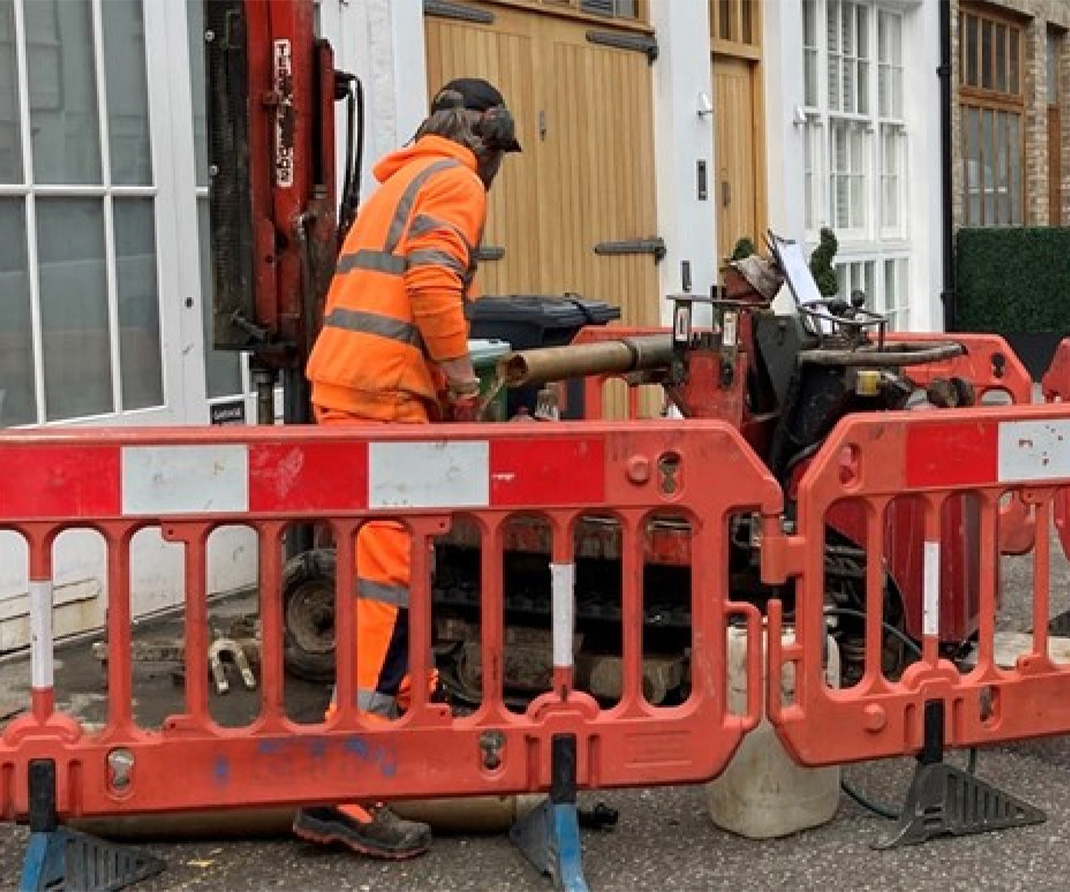
The contaminated land planning lottery
I have recently seen a couple of blog posts highlighting the different approaches that are required for contaminated land investigations to obtain...
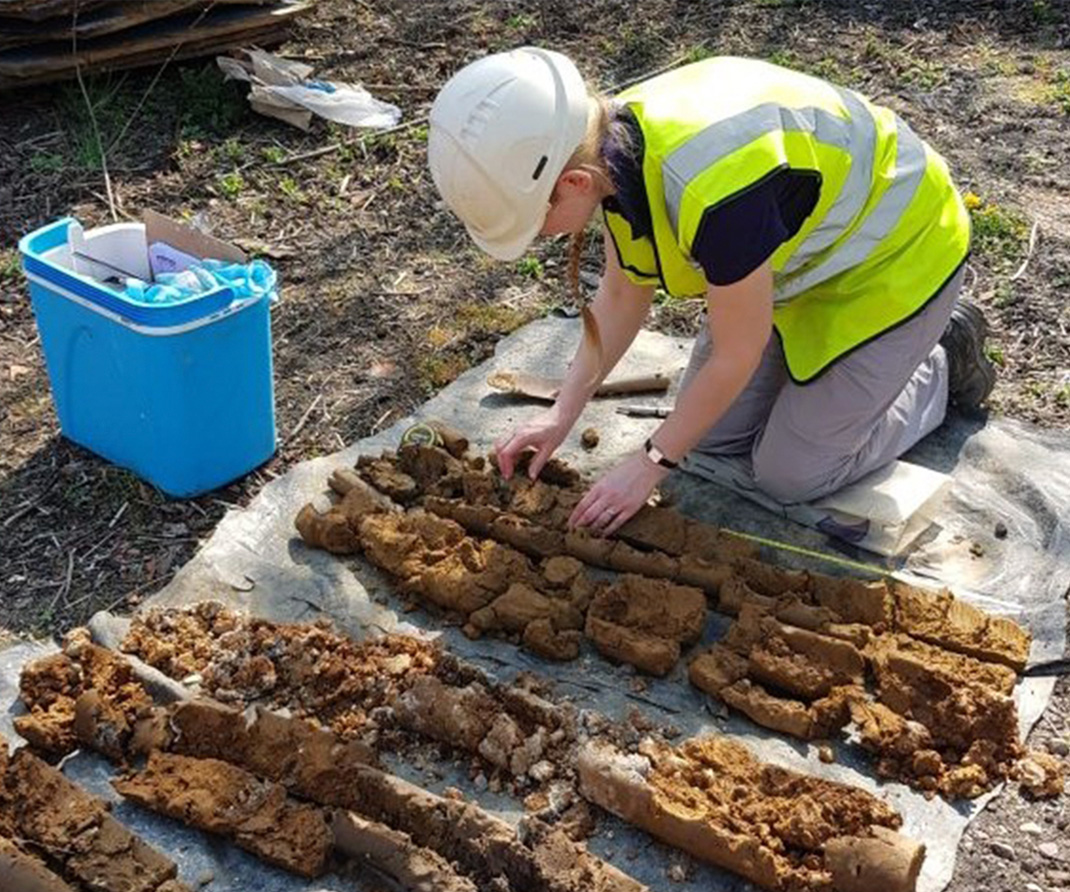
Who’s logging your soil?
I have spent most of my career with small and medium sized ground investigation / geotechnical specialists, and one of the benefits of how we work...