

Landfill tax is set to rise significantly in April, with the standard rate rising to £126.15 per tonne and the lower rate rising to £4.05 per tonne (currently £103.70 and £3.30). This hike will make traditional “dig and dump” practices far more expensive for the construction industry.
To avoid unnecessary costs, it’s essential that alternatives are explored early in projects. Some of the options are listed below.
Environment Agency Waste Exemption U1: This exemption allows certain types of waste to be reused on-site without needing a waste permit. It can help developers avoid the cost and hassle of transporting materials to landfill or a waste facility, which can be a significant cost-saving. It’s essential, though, to ensure that the materials being reused are in line with the requirements of the exemption.
CL:AIRE Definition of Waste – Development Industry Code of Practice: CL:AIRE’s guidance helps clarify when materials are considered waste, and when they are no longer classified as such, which can make a big difference in how materials are treated. By adhering to this code, developers can ensure that materials are properly classified and potentially reused, thus saving on disposal fees and reducing the project’s environmental footprint.
Aggregates Protocol: This protocol allows for the reuse of certain materials, like excavated soils, as substitutes for natural aggregates in construction, provided they meet specified standards. Using these materials for backfilling or construction could significantly reduce both the cost of acquiring new aggregates and the environmental impact of transporting waste off-site.
Better Assessments and Risk Management: Conducting thorough assessments and detailed risk assessments early in a project can help identify opportunities for material reuse. Rather than automatically sending materials to landfill, an in-depth evaluation of waste types can lead to smarter decisions about what can be kept, reused, or recycled.
The earlier in the development process that waste is considered, the better it can be managed.

by Bryan O’Gorman
Latest News
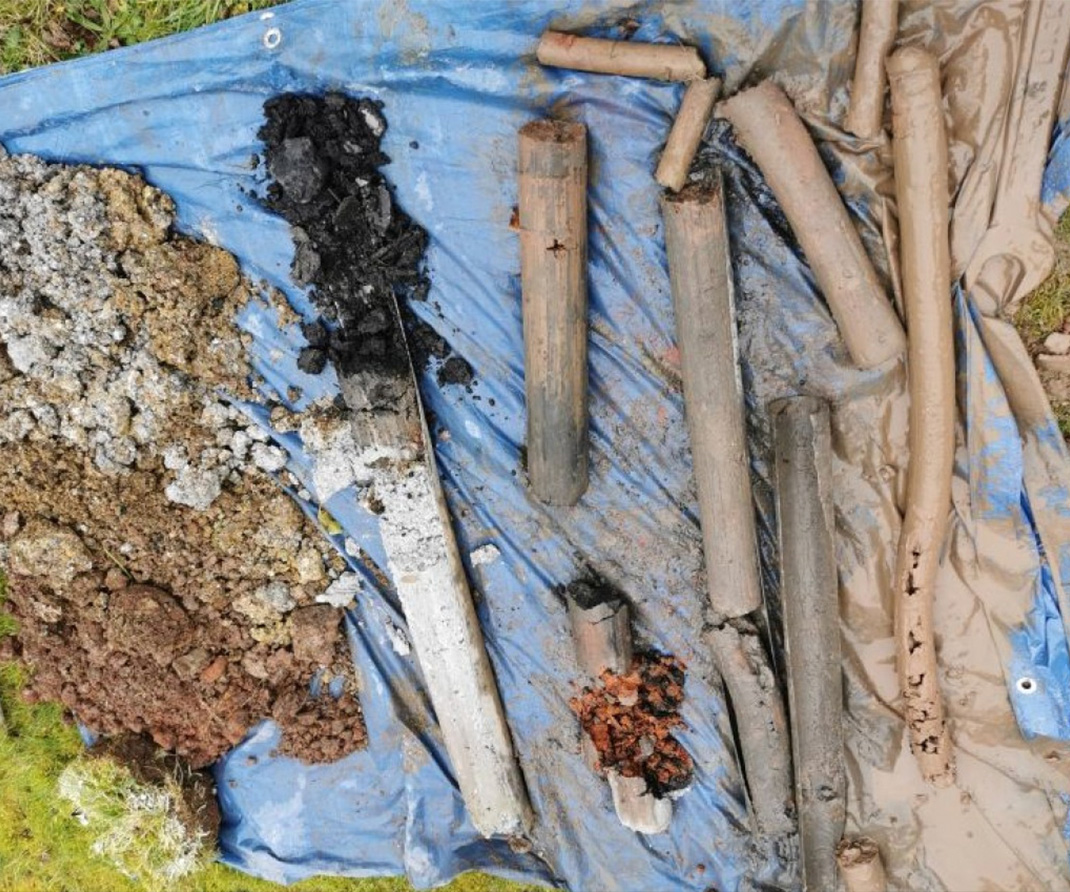
Galligu: A Hidden Legacy of the Industrial Revolution
Encountering galligu is almost a rite of passage when working in areas like Runcorn, Widnes, St Helens, or near the Sankey Canal. Yet, many are...
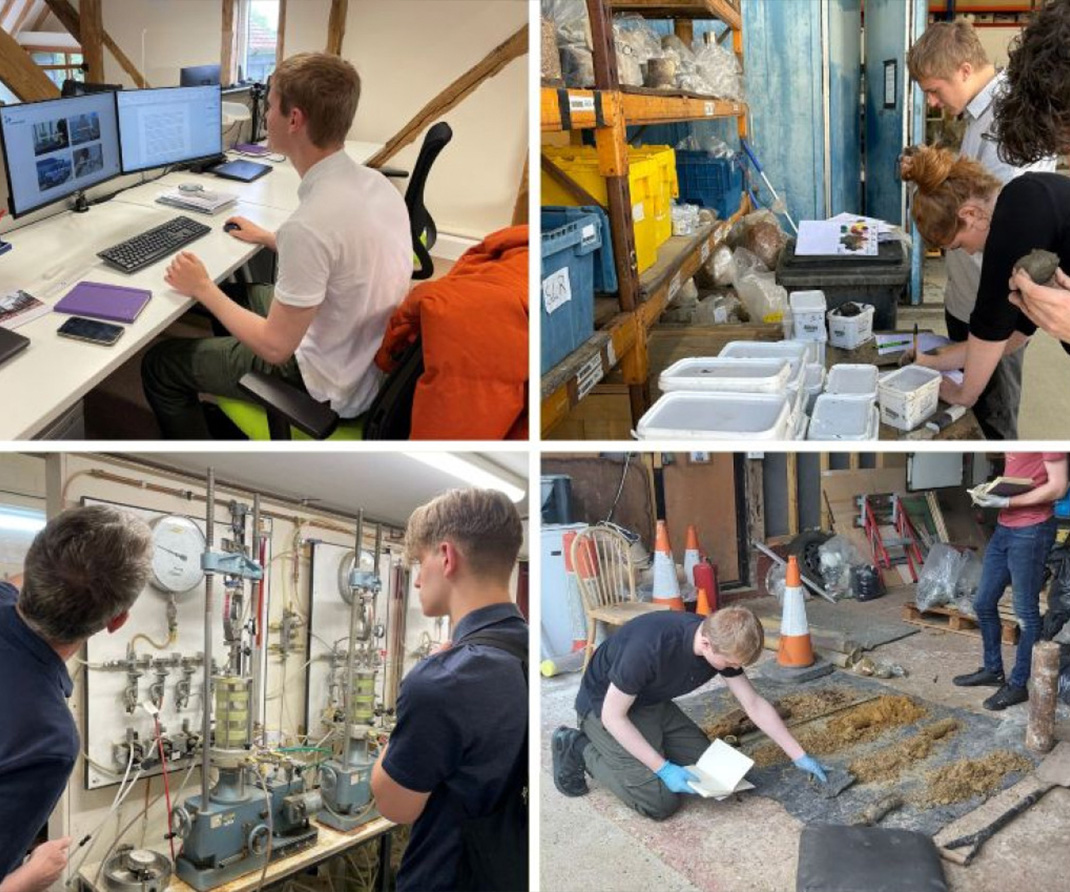
Early Careers at GEA
Work Experience Over the past year we have had students join us from Simon Balle and Richard Hale Schools for our work experience programme. We aim...
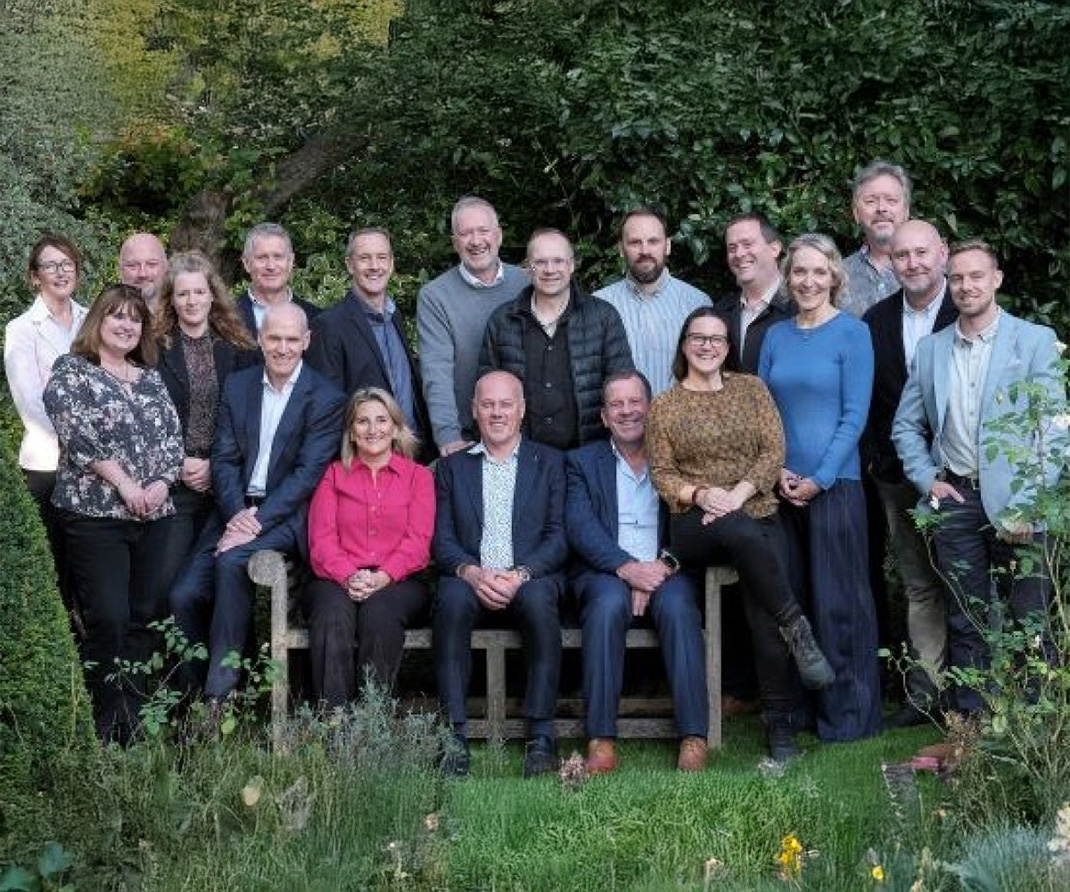
Our first STAT Holdings get-together
It was great to meet the other STAT companies last week in Winchester. Steve, Penny and I had a fab day out, starting with a company road trip to...