

We have been involved in a large urban renewal scheme in Slough, providing geotechnical and contaminated land information and support to enable construction of 13 new mixed use buildings up to 16 storeys in height. The proposed development also includes a six level multi-storey car park, areas of soft landscaping and new access roads.
A detailed desk study of the site was undertaken which included a review of previous intrusive data, investigation into the site’s development history and contaminative adjacent site uses, and development of a detailed ground model.
An extensive intrusive investigation was carried out which confirmed the varied local geological succession, found to comprise a sequence of Langley Silt Formation, Taplow Gravel Member, Lambeth Group and Seaford and Newhaven Chalk Formation, presenting challenging drilling conditions. Detailed logging of samples retained from the Lambeth Group allowed for determination of the Upper Mottled Clay, Laminated Beds, Lower Mottled Clay and Upnor Formation, along with characteristic depths and respective geotechnical parameters to provide a detailed ground model. The ground investigation also confirmed that the foundations of the buildings previously on site had been removed, and samples of the shallow soils were scheduled for contamination testing.
Utilising the intrusive data in conjunction with monitoring of the groundwater pressures, critical advice could be provided to inform pile designs in support of the high proposed loads from the development, along with information for the design of spread foundations, shallow excavations and floor slabs, new paving and sustainable drainage solutions. Additionally, we advised on the suitability of the aquifers present beneath site for ground source heat pumps. The geoenvironmental assessment enabled us to provided classification and assessment of site-won materials for subsequent re-use in piling mats, provide waste disposal information and helped to inform suitability for re-use on-site during site levelling activities, along with a contamination risk assessment.
As a result of gathering extensive site investigation data and quality analyses, we have been able to support the consideration of valued engineered solutions throughout the development life cycle, from short term efficiencies during construction to the final foundation solution.

by Joe Croker
Latest News
GEA Groundwater Remediation Project with On-Site Treatment
GEA is pleased to report significant progress on a groundwater remediation project, delivered in collaboration with Rake Environmental and under the...
STEM Project
Over the winter term, I had the privilege of working with Year 12 students at Space Studio West London as part of their Aspirations Employability...
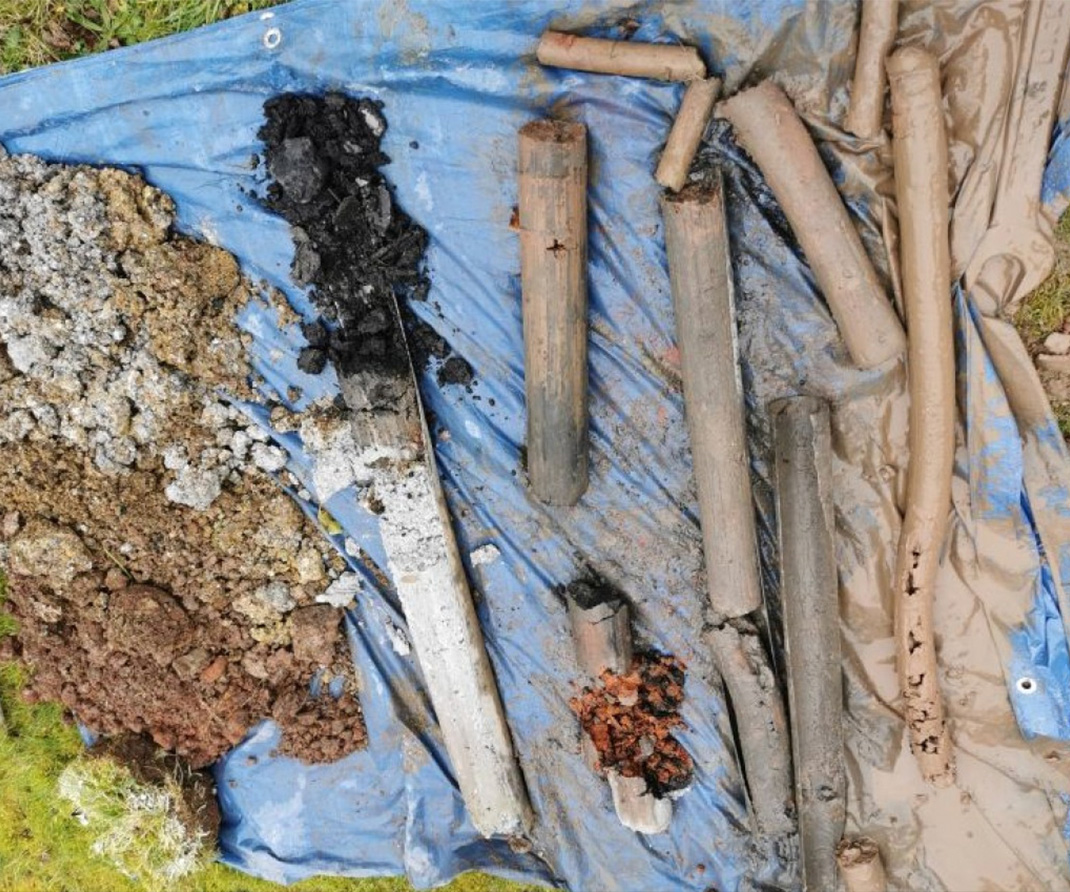
Galligu: A Hidden Legacy of the Industrial Revolution
Encountering galligu is almost a rite of passage when working in areas like Runcorn, Widnes, St Helens, or near the Sankey Canal. Yet, many are...