

Prior to joining GEA as a Geotechnical Engineer in May 2025, Lauren worked as an Exploration Geologist in Norway and Finland, gaining experience across a variety of project types. The following illustrates how her experience in the mineral exploration industry has informed her work at GEA, and illustrates the value of geological expertise on a range of different rock and soil types when undertaking geotechnical and geoenvironmental site investigations.
In the geotechnical and geoenvironmental sector, ground investigations typically aim to characterise subsurface conditions for construction and civil engineering projects. By contrast, mineral exploration focuses on identifying, locating and quantifying potentially economic concentrations of ore forming minerals. This significant distinction requires a different approach to the ground investigation and determines the techniques adopted, alongside various methods of data collection, interpretation strategies and reporting. Despite these contrasts, both disciplines share the same fundamental principles: the outcomes of any ground investigation depend on the underlying geology and the characteristics of subsurface strata.
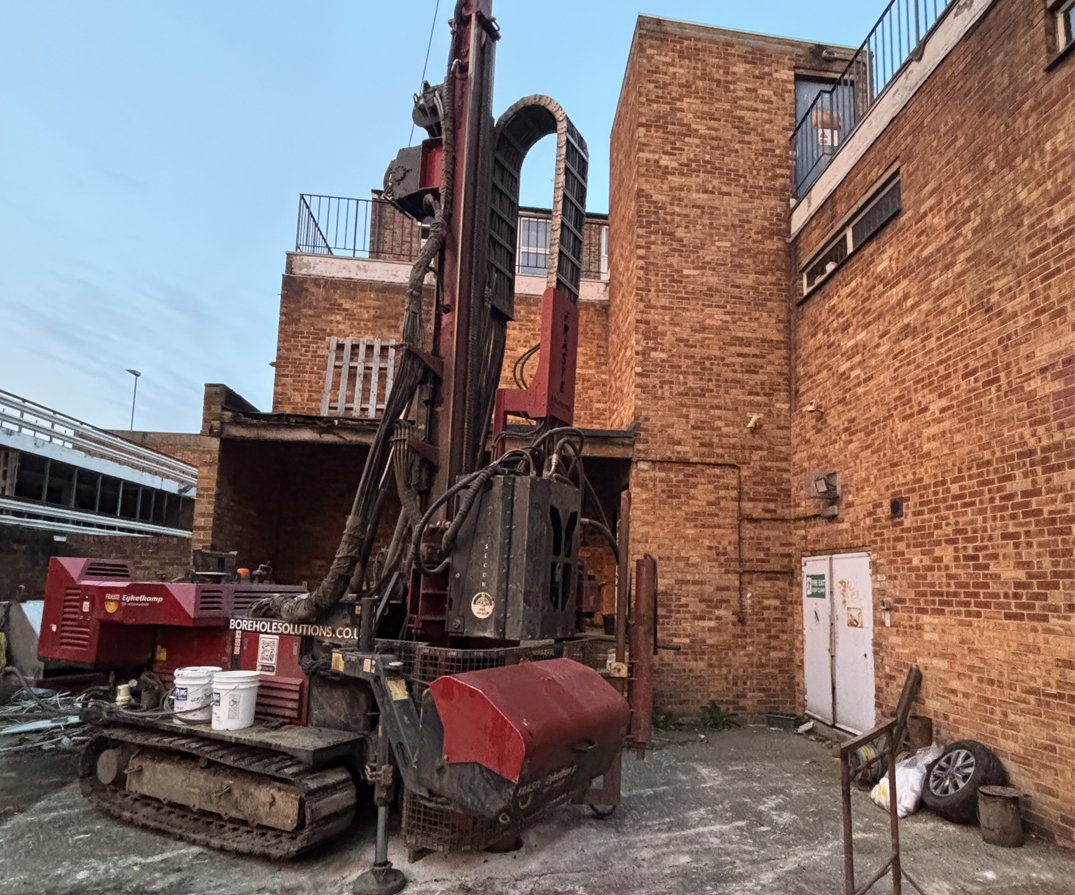
Sampling of rock and soil is central to both fields. Geotechnical investigations typically employ relatively shallow boreholes, trial pits and in-situ tests at close intervals to resolve variability of the strata properties beneath a specific structure or proposed structure. Continuous sampling across the depth of interest yields detailed stratigraphic profiles including strength, compressibility and permeability parameters. Conversely, mineral exploration fieldwork programmes often operate on a much broader scale, with boreholes sometimes spaced hundreds of metres apart in order to generate a big picture of the underlying ore deposit. Sampling may take the form of regular intervals of drill core, or specific sampling of mineralised horizons in a drill-stage project, or widespread rock or soil sampling from surface on a much wider grid in a very early-stage project, with the aim of delineating broad zones of anomalous metal concentrations that can be used to generate targets for further exploration.
Geotechnical investigations generally operate at a relatively localized scale to delineate the subsurface conditions and reduce uncertainties relating to, for example, differential settlement, site contamination, foundation types or the potential for slope instability. Mineral exploration projects, on the other hand, often span regional extents to define the size, shape, grade continuity and tonnage of prospective orebodies – information that is used to optimize fieldwork programmes and guide eventual mine planning.
When developing a conceptual site model, working at a larger scale can make it easier to identify geological patterns, features and formations. In contrast, on smaller sites, particularly in urban environments where access for ground investigation is often very limited, it can be difficult to identify features such as drift-filled hollows, backfilled pits and river channels which might have a significant effect on the foundation solution. For this reason a detailed desk study is an essential first stage, as it allows us to build a preliminary ground model based on available borehole records.
By understanding the distinctions in project objectives, sampling aims, testing and methodology protocols, and data interpretation, our geologists can select and apply the most appropriate suite of ground investigation techniques for their specific industry requirements. We also make extensive use of our database of over 10,000 ground investigations to apply the above principles to every project, with each one overseen by a Chartered Geologist.
by Lauren Highland
Latest News
GEA Supports New High-Rise Residential Development in Lewisham
GEA has been appointed by London Square to provide geotechnical and geoenvironmental consultancy services for a new high-rise residential...
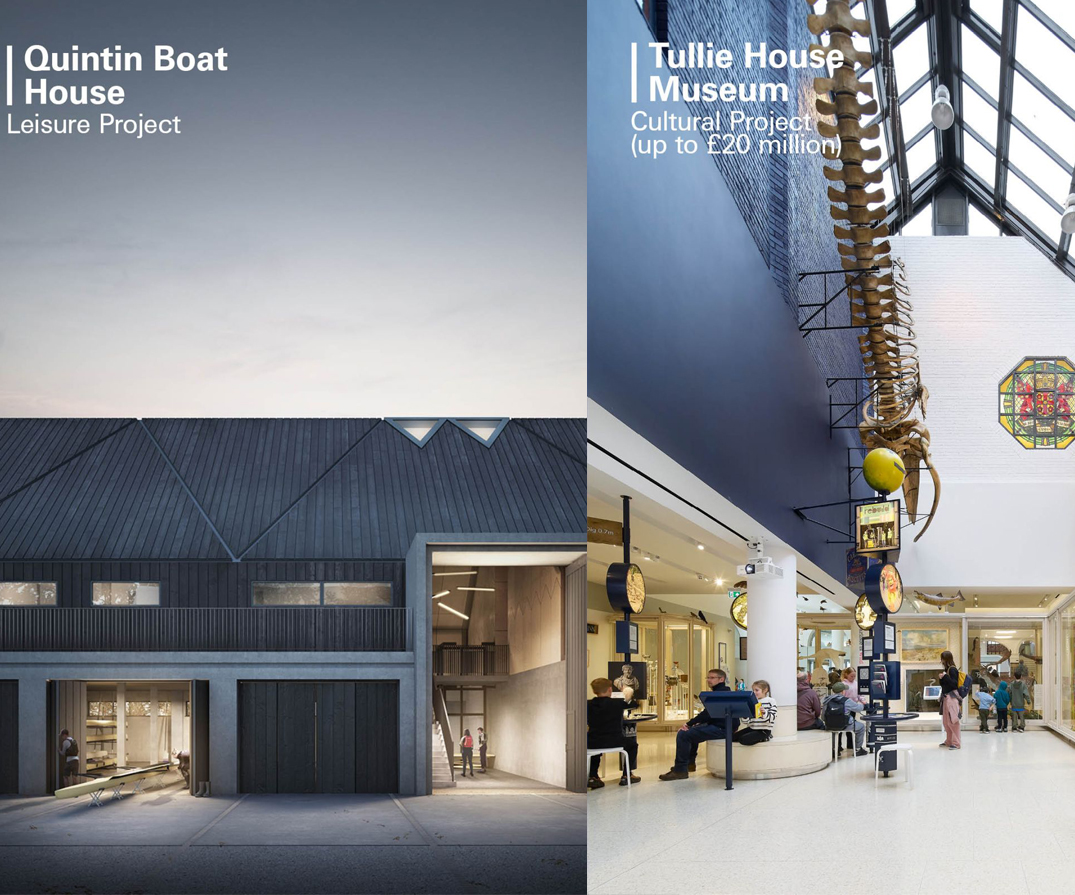
GEA Supports Two Projects Shortlisted for AJ Architecture Awards 2026
GEA is pleased to have supported two projects shortlisted for the prestigious AJ Architecture Awards 2026, working alongside long-standing client...
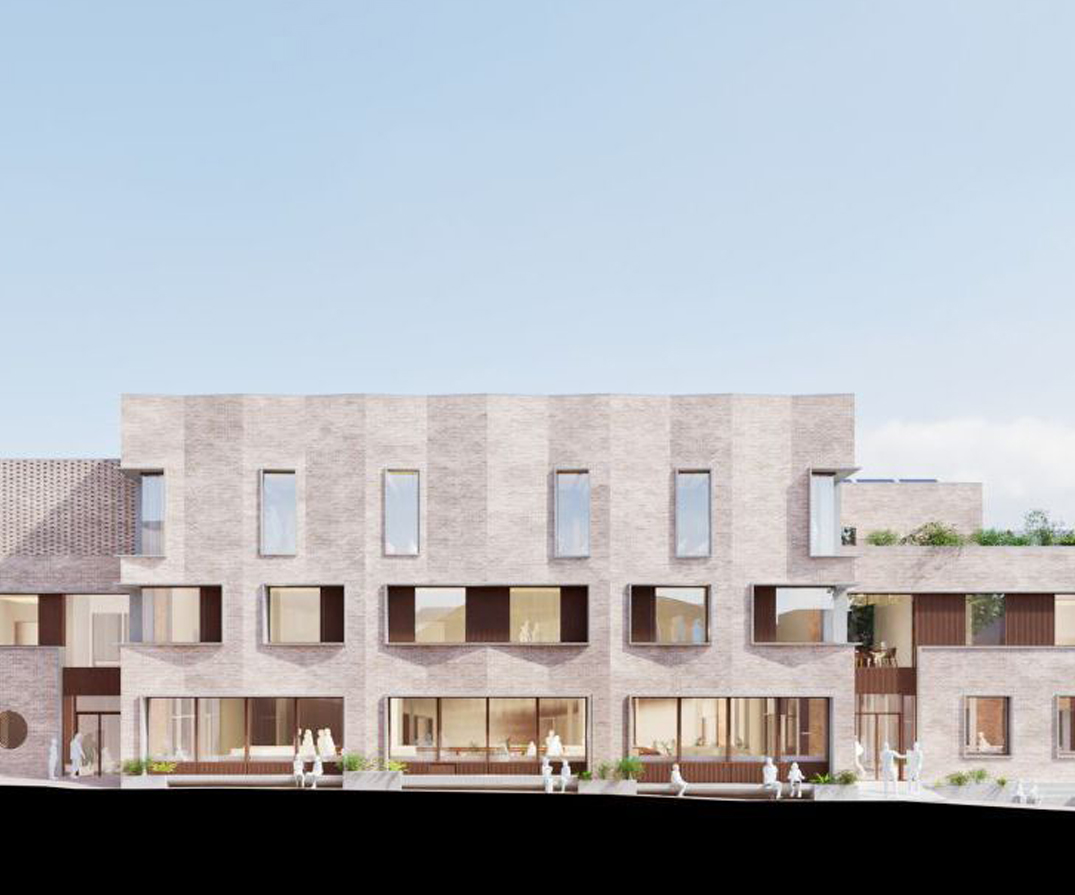
Planning Milestone for New Building at Alleyn’s School
GEA is pleased to have supported the planning application for The Crucible, a new multi-functional building at Alleyn's School in Dulwich, which has...